
Hair transplants are life-changing procedures for many people, offering a permanent and natural-looking solution to thinning hair. But shortly after surgery, some patients notice something alarming: hair falling out instead of growing in. This temporary shedding is commonly called “shock loss.”
The term “shock loss” can sound scary, but it’s often misunderstood. In fact, it’s not an official medical diagnosis; it’s a descriptive phrase used in the hair restoration world to explain a type of temporary shedding that sometimes happens after surgery. Here’s what you need to know.
What Is Shock Hair Loss?
Shock loss is a temporary shedding of hair that occurs after a hair transplant. It can affect:
-
The newly transplanted grafts, or
-
The existing hairs around the transplant site.
While it may feel like a setback, the good news is that in most cases, this hair grows back within months.
Causes of Shock Hair Loss
So what actually causes shock loss? There are two main types of medically recognized shedding that explain this phenomenon:
1. Anagen Effluvium (transplanted hairs):
When donor follicles are removed, dissected, and implanted into the recipient area, they go through a stressful process. This “insult” can cause the hair shaft to shed even though the follicle itself is still alive and healthy. This is why transplanted hairs usually fall out within the first 2–4 weeks.
2. Telogen Effluvium (existing hairs):
Surgery can act as a stressor on your body, triggering your existing hair follicles to prematurely enter the resting (telogen) phase. This leads to excessive shedding 2–3 months after surgery. Luckily, this type of hair loss is temporary, and the follicles return to their growth phase on their own.
It’s worth noting that Telogen Effluvium isn’t unique to hair transplants. It can also happen after other surgeries, illnesses, childbirth, or even emotional stress.
Recovery Timeline
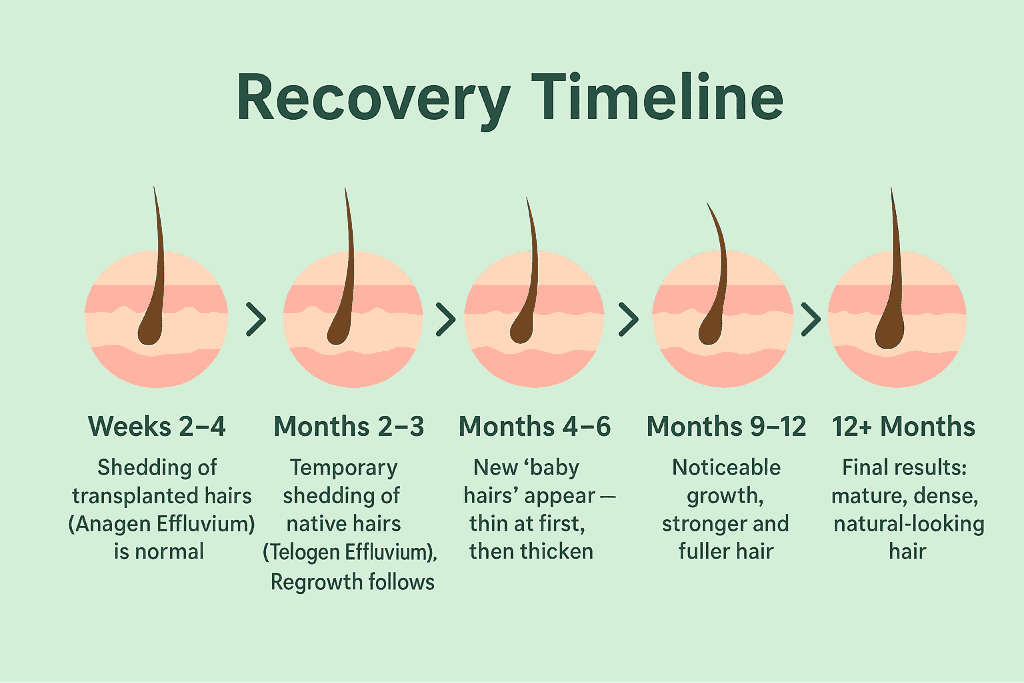
One of the most common worries patients have after experiencing shock hair loss is: “Will my hair grow back, and when?” The good news is that in the vast majority of cases, it does, it just takes time. Let’s walk through what you can expect month by month.
Weeks 2–4
Don’t panic if the transplanted hairs start shedding during this period. This is simply Anagen Effluvium, a medical term for when healthy hairs fall out due to the trauma of surgery. It’s frustrating to see, but it’s completely normal.
Months 2–3
Sometimes, existing, non-transplanted hairs also shed. This temporary shedding is called Telogen Effluvium, and it’s the scalp’s way of hitting the reset button after surgery. Most people notice it more than others do, and the hair almost always regrows.
Months 4–6
This is the exciting phase. Tiny new hairs begin to poke through the scalp. At first, they may look thin or fuzzy, but over time, they thicken. Many patients describe this stage as seeing “baby hairs” sprouting.
Months 9–12
Now the real transformation shows. The new hairs gain strength, thickness, and coverage. Friends and family often start noticing the difference before you do.
12+ Months
By the one-year mark, most patients see their final results. The transplanted hair has fully matured, blending seamlessly with the existing hair. The growth pattern feels natural, and the density is much improved.
In short, shock loss is temporary, and recovery is gradual. Most patients regain both their transplanted and existing hair over the course of a year.
Can Shock Hair Loss Be Prevented?
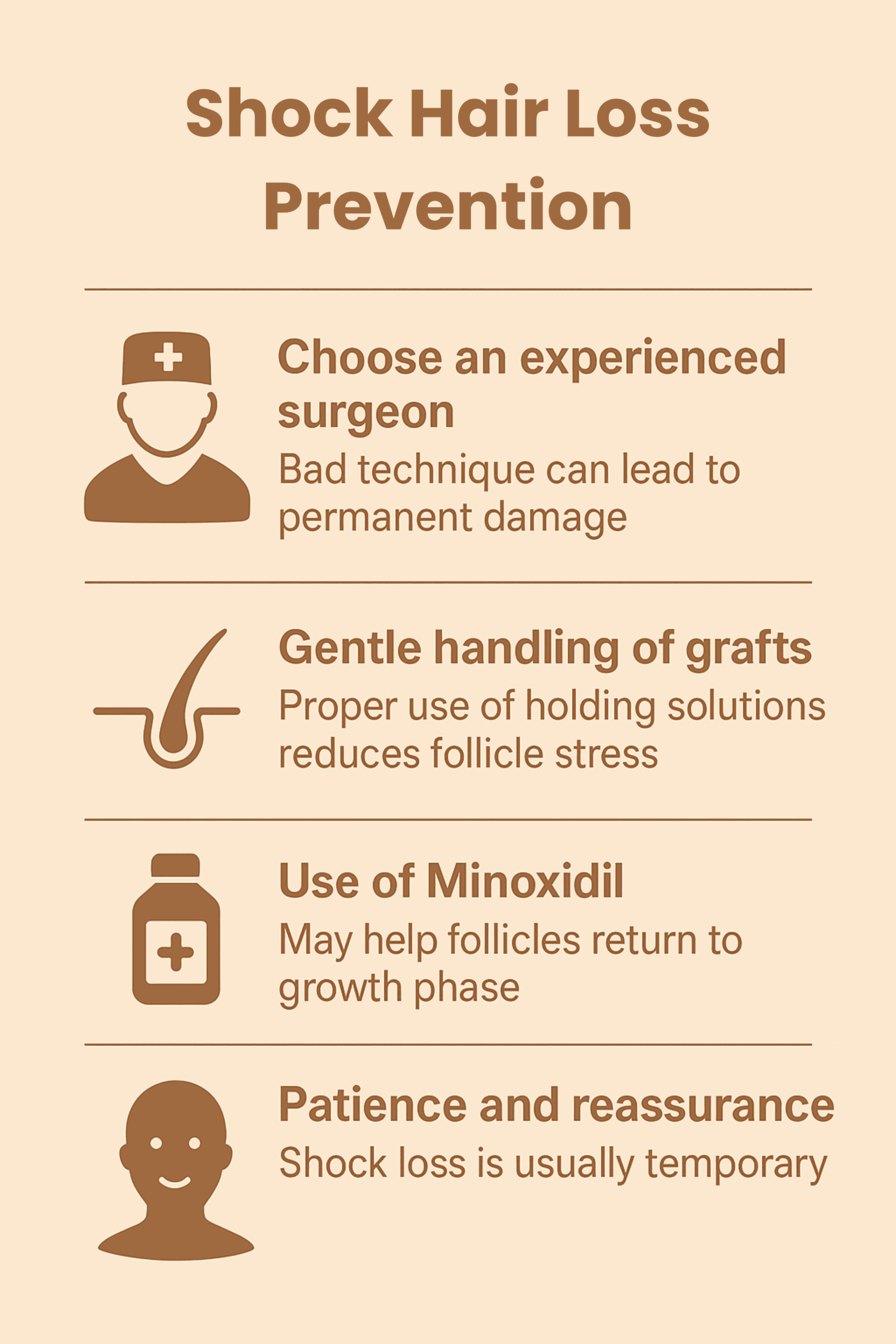
While some shedding is almost unavoidable, the severity can sometimes be reduced with the right approach:
- Choose an experienced surgeon: Bad technique can lead to permanent damage if existing follicles are cut or transected. Always check your surgeon’s training and credentials.
- Gentle handling of grafts: Proper use of holding solutions and careful implantation may reduce the risk of follicle stress.
- Use of Minoxidil: Some surgeons recommend topical or oral Minoxidil after surgery, as it may help follicles return to the growth phase sooner.
- Patience and reassurance: Most cases of shock loss are temporary and self-correcting.
Emotional Impact: Why Shock Loss Feels Worse Than It Is
For many patients, the hardest part of shock loss isn’t the science; it’s the emotional rollercoaster. You’ve gone through surgery, you’re excited to see results, and then suddenly your hair seems thinner than before.
The key is to remember: this is part of the process. Shedding does not mean your transplant failed. In fact, it often signals that your follicles are entering a new cycle of growth.
Final Takeaway
Shock hair loss after a transplant is normal, temporary, and usually nothing to worry about. It’s simply your hair follicles responding to the stress of surgery.
-
Transplanted hairs fall out due to Anagen Effluvium, but they regrow in 4–6 months.
-
Existing hairs may shed due to Telogen Effluvium, but they too return within months.
-
Permanent loss only occurs when surgery is performed with poor technique, which is why choosing a skilled, well-trained surgeon is the most important step in avoiding complications.
If you’re considering a transplant, go in knowing that some temporary shedding may happen, but the end result of fuller and natural-looking hair is worth the wait.
Worried About Hair Loss? Let’s Talk.
Get trusted answers from Dr. McAndrews, a board-certified hair restoration physician with over 20 years of experience. We offer both FUE and FUT hair transplants in Los Angeles at our Pasadena office and offer convenient online consultations that you can reserve from anywhere.
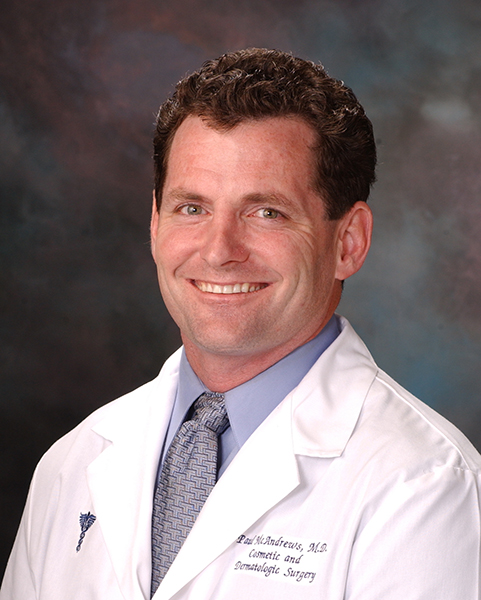
Dr. Paul J. McAndrews is a world-renowned expert in hair loss and hair restoration, and one of only two physicians to have served as President of both the ISHRS and the ABHRS. He is a Clinical Professor at USC/LAC Medical Center and an Expert Medical Reviewer for the California Medical Board, with more than 20 years of experience performing hair transplant procedures, including both FUE and FUT. Serving patients throughout Los Angeles and Southern California, he is regarded as one of the best hair transplant specialists in Los Angeles.