
The short answer is yes, it works, and you can achieve excellent results. But you have to find a good surgeon who can assess if a hair transplant is a good option for you and is formally trained in the science and art of a hair transplant.
Now, there are a few more things that you need to understand about hair transplants to know what you are getting yourself into, and we’ll explain those in the sections below.
How Hair Transplants Actually Work
A hair transplant is basically a process of excising your hair follicles from the back and sides of your scalp and planting them on the front/top of your scalp. In simpler terms, hair is taken from the back of your scalp and added to the front of it to increase the hair density in the front.
There are 2 main types of hair transplants: FUE (Follicular Unit Excision) and FUT (Follicular Unit Transplantation). The only difference between these 2 is in the process of excising the hair follicles from the back of the scalp. Follicle plantation in the front/top is the same in both types.
Also Read: FUE vs FUT: Which Hair Transplant Method Is Right for You?
In FUE, your hair follicles are excised individually with the use of a sharp manual or motorized punch device that is specifically designed for this procedure.
In FUT, your hair follicles are excised in the form of a single strip, and then that tissue is meticulously dissected under a stereoscopic microscope into individual follicles.
FUT has a higher survival rate and better quality of graft (less likely to miniaturize over the years) and leaves a fine linear scar hidden by the existing hair.
FUE does not leave a linear scar but does leave thousands of small (1 mm) circular scars spread out diffusely, so it is less conspicuous after a single surgery if the donor area is shaven. However, after several hair transplants, the accumulation of the circular FUE scars becomes very obvious. The method that will be used mainly depends on the extent of your hair loss and will be determined by you and your surgeon after a thorough consultation discussing the pros and cons of each in your particular situation.
How Do Transplanted Follicles Grow Permanently?
I have explained that hair follicles are simply taken from one side of the scalp and added to the other. Then, the question arises, “Why won’t these new hair follicles miniaturize to the point of not being detectable to the naked eye, like the previous hair in the balding area?” Well, hair transplants are based on a simple concept, “donor dominance”. Donor dominance means the tissue will keep its genetic tendencies from where it originates.
Therefore, hair follicles from the back and sides of the scalp are usually genetically programmed to produce thick hair for the patient’s lifetime. These good genetic follicles can be transplanted anywhere (i.e., balding area) and will keep producing thick hair. The farther the hair follicles are removed from the middle of the hair-bearing area on the back of the scalp, the more likely the hair follicles’ genetics will be prone to miniaturization as the patient ages.
In FUE hair transplants, more of the tissue on the periphery of the “hair bank” is excised in order to spread out the circular FUE scars. These peripheral hair follicles are more prone to miniaturization as the patient ages. FUT hair transplants remove tissue from the safest, most centralized location.
Hair Transplant Success Rates
While some clinics claim up to 97% graft survival, this number typically represents ideal laboratory or small-scale controlled studies, not large real-world averages. Most peer-reviewed research shows 85–95% survival under qualified surgical hands.
Also Read: Can I Exercise After a Hair Transplant?
Survival studies show improved survival with FUT since the hair follicles are meticulously dissected into the individual follicular units with full visualization under the stereoscopic microscope. While FUE survival is lower, since it is a blind dissection (damage to the hair follicle is unknown until after the sharp punch excision tool has already cut through the tissue).
A retrospective study of 158 FUE patients also reported over 90 percent graft survival and 98 percent satisfaction, confirming that excellent results are attainable when performed under optimal conditions.
With advancements in hair transplant technology and technique, patient satisfaction has significantly improved, often after just one procedure. According to the International Society of Hair Restoration Surgery (ISHRS) practice census, patients achieved their desired results with an average of 1.5 sessions in 2024, a major improvement from 2014, when it typically required an average of 5 sessions.
Factors That Determine Results
Surgeon’s Training and Experience
This is a pretty simple factor; you cannot have an untrained surgeon or a technician perform your hair transplant. You have to make sure your entire procedure is being performed by a qualified surgeon and that the same surgeon also performs the entire consultation. Without this, all the things that we have said about success rates go out the window.
Look for a surgeon
-
- That is formally trained in a residency on the science of hair loss and the art of hair transplantation
- That has the credentials to be on faculty at a major teaching university, teaching the residents the latest in the science and art of hair transplants
- That has the respect of his peers to be elected to leadership positions in the ISHRS (International Society of Hair Restoration Surgery) and ABHRS (American Board of Hair Restoration Surgery)
- That is involved in every step of the hair transplant process (not passing off critical aspects of the surgery to technicians), which requires he/she can perform only one hair transplant a day.
Extent and Pattern of Hair Loss
The extent and pattern of your hair loss is determined by how early in your life span that your hair follicles are programmed to miniaturize. This comes down to your genetics and aging. A surgeon can do their best, but if your limited donor hair (“hair bank”) is not enough to meet your goal short-term and/or long-term, then a hair transplant should not be performed. But if you choose the properly trained, ethical surgeon and you have realistic expectations, a hair transplant can be highly satisfying and meet your goals.
Post Operative Care and Compliance
Instructions will be provided to you by your surgeon on how to take care of yourself and your hair follicles after the transplant. There are always a few restrictions on you after a hair transplant, like any other surgery. The success of your hair transplant depends on how well you follow these instructions. This is something even the best of surgeons cannot control, so it is up to you.
What Results Look Like Over Time
A hair transplant might look like a quick fix solution, but it is not as simple as that. The complete regrowth of hair follicles after a hair transplant takes almost a year in most cases. Before that, you cannot be sure of what the final result will look like. I’ll explain why this happens and that it is a perfectly normal part of the whole process; you don’t have to worry if you go through the same phases. I’ll explain this in the 3 sections below:
Shedding
2-6 weeks after the hair transplant, the transplanted hair follicles start shedding due to something called anagen effluvium. The hair follicles stay dormant for about 4 months after this initial shedding phase. You can read more about it here: Shock Hair Loss After a Hair Transplant
Regrowth
4 to 6 months after the shedding, you can start seeing the hair regrowing. So, these first few months after the hair transplant can be quite stressful if you don’t understand that this is a completely normal phase.
Final Results
You will be able to see the final result of your hair transplant in about 12 to 18 months. That’s when you can truly know if your hair transplant was worth it. This is why the surgeon you choose should be an absolute expert with a great track record of successful results in hair transplants.
Are Hair Transplant Results Permanent?
Hair transplants are usually permanent, but no surgeon can guarantee that all of the transplanted grafts will not miniaturize over time due to androgenetic alopecia. Your existing (non-transplanted) genetically prone hair in the balding region will continue to miniaturize if you’re not on the preventative medical treatments (finasteride and minoxidil). So, the density of hair can still decrease over time; however, most of the grafts can survive for a long time, even your lifetime.
Hair loss can also continue in areas where no new follicles were planted, and that can also diminish the results over time. Well-trained surgeons keep this in mind when doing the hair transplant and plan in such a way that even after continued miniaturization, your results can look good and completely natural.
A 10-year retrospective study by Pathomvanich and Mella followed 70 patients who underwent FUT hair transplantation and found that long-term results remained stable and highly satisfactory. The transplanted hairs kept their thickness over the decade, with only a small decline in density, showing strong long-term survival. Patients who continued medical therapy, especially finasteride, maintained better overall outcomes. The study reinforces that high-quality donor hair, proper surgical technique, and ongoing medical management work together to support lasting transplant success.
Medications like minoxidil and finasteride help maintain the results of a hair transplant by slowing down the effect of androgenetic alopecia. These medications should be used regularly to maintain the results for a long time. Your surgeon will prescribe these medications to you.
Common Reasons for Hair Transplant Failure
Hair transplant failure mainly comes down to the surgeon. Any wrong step by an untrained surgeon or technician can create a horrible outcome for you that won’t be easy to fix. Patients have experienced scalp necrosis, horrible scars, and over-harvested donor areas because they went to a cheap black market hair transplant clinic.
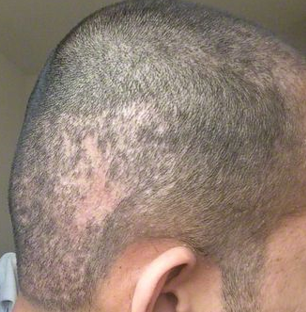
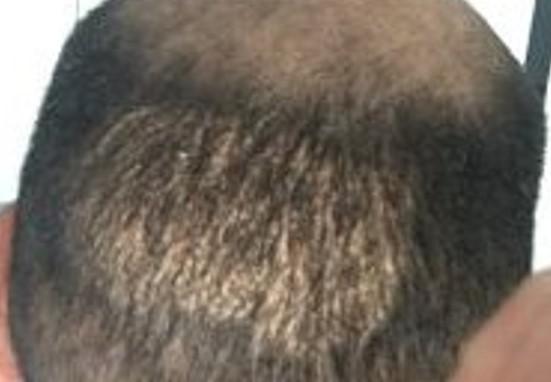
If you’re considering a hair transplant in Los Angeles, it’s crucial to choose a board-certified hair restoration surgeon who performs the procedure personally, not technicians. Dr. McAndrews can help you avoid all these complications. He is a board-certified dermatologist and hair transplant surgeon with over 20 years of experience. He teaches the residents at LAC/USC School of Medicine the latest advances in the science and art of hair transplant surgery. He performs every transplant himself and only performs a single transplant a day, so you get his absolute attention. He only uses techniques and technologies that ensure grafts survive and thrive without damage or depletion. The result? A naturally restored, correctly framed head of hair. You can book an initial online consultation here or visit his office in Pasadena.
Worried About Hair Loss? Let’s Talk.
Get trusted answers from Dr. McAndrews, a board-certified hair restoration physician with over 20 years of experience. We offer both FUE and FUT hair transplants in Los Angeles at our Pasadena office and offer convenient online consultations that you can reserve from anywhere.
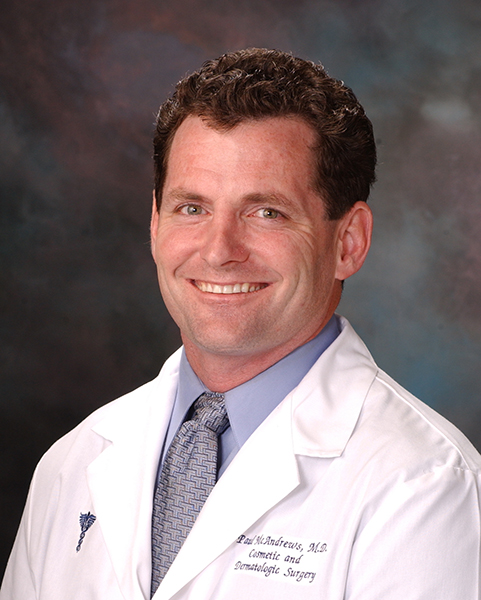
Dr. Paul J. McAndrews is a world-renowned expert in hair loss and hair restoration, and one of only two physicians to have served as President of both the ISHRS and the ABHRS. He is a Clinical Professor at USC/LAC Medical Center and an Expert Medical Reviewer for the California Medical Board, with more than 20 years of experience performing hair transplant procedures, including both FUE and FUT. Serving patients throughout Los Angeles and Southern California, he is regarded as one of the best hair transplant specialists in Los Angeles.