
In this post, we’ll explore what caffeine does to the body, how it might impact a hair transplant recovery, practical guidelines for managing caffeine intake, and tips to optimize healing while still enjoying your favorite caffeinated beverages.
Do I Advise My Patients to Avoid Coffee After a Hair Transplant?
Yes, I recommend that patients avoid coffee for 1 week after a hair transplant surgery. A few things to keep in mind when consuming caffeine.
- Sleep first: Following the hair transplant surgery, prioritize quality sleep. Caffeine may compromise sleep.
- Hydration balance: Ensure you’re drinking enough water. A typical goal is about 2–3 liters per day for most adults, adjusted for activity and climate.
- Consider your baseline: If you’re someone who experiences strong caffeine-induced jitters, palpitations, or sleep disruption, you might want to be extra cautious in the weeks after surgery
Also Read: Can I Exercise After a Hair Transplant?
You can view my detailed recommendations and the time frame for coffee consumption in the table below.
Time Frame |
Recommendations |
| First 2 Days | Avoid coffee, energy drinks, and other caffeinated sugary drinks. Focus on rest and hydration. |
| 3 to 5 Days Post-Surgery | Limit to one small, caffeinated drink (12 ounces or 200mg of caffeine) per day |
| 1 Week Post-Surgery | Slowly increase caffeine intake, but limit to 1-2 moderate servings daily. Avoid afternoon/evening caffeine. |
| Long Term | Most patients can return to their regular caffeine habits, understanding that extremely high caffeine intake could affect sleep or hydration |
How Caffeine Affects Healing and the Body

- Delayed wound healing: Caffeine impedes keratinocyte proliferation and migration, suggesting that it may have an inhibitory effect on wound healing and epithelialization (1). This may adversely affect the survival of the transplanted hair grafts
- Vascular effects: Caffeine is a vasoconstrictor in some contexts, meaning it can narrow blood vessels briefly. This can potentially influence blood flow to healing areas. Constriction of blood vessels can also cause unnecessary pressure on the hair grafts. However, the clinical impact on hair grafts in typical doses is not strongly established.
- Stress and sleep: Caffeine can interfere with sleep and increase perceived stress or jitteriness. Adequate sleep is crucial for healing and inflammation control after surgery.
- Dehydration: Too much caffeine can lead to dehydration. Caffeine is a diuretic, increasing urination and fluid loss, which can be detrimental to the healing process following the hair transplant.
- Blood pressure and bleeding risk: Caffeine can transiently raise blood pressure in some individuals. For most healthy people, this is mild, but it’s worth monitoring around the time of surgery. Increased blood pressure, in turn, increases the bleeding risk, which is why caffeine should be avoided.
- Medication interactions: Some post-operative prescriptions (e.g., certain antibiotics, pain meds) can interact with caffeine or affect sleep.
- Increased opioid use: One study showed peri-operative caffeine consumption increased the use of post-operative pain medications (opioids) (2)
Also Read: Can I Drink Alcohol After a Hair Transplant?
Special Cases
- High Blood Pressure: If you already suffer from high blood pressure, then it is much more important that you limit the use of coffee or any other caffeine source.
- FUT vs FUE: The recommended period doesn’t really change for FUT or FUE. In both cases, you should avoid coffee for at least 1 week after the hair transplant.
Coffee Alternatives after Hair Transplant
- Tea: Green or black tea contains caffeine and also compounds (like L-theanine) that can soften caffeine’s jitteriness. It can be a gentler option for some.
- Energy drinks and soda: These can deliver a high caffeine dose along with sugar or other additives. They’re best avoided forever post-surgery for your overall health.
- Cacao (Highly Recommended): Cacao primarily contains theobromine, which provides a gentler, more sustained energy boost without the jitters and crash associated with caffeine.
- Diet and decaf options: If you love the ritual, decaf coffee or herbal teas can provide the ritual without caffeine’s effects. Consider caffeine-free alternatives during the first weeks.
Practical Tips for Coffee Consumption
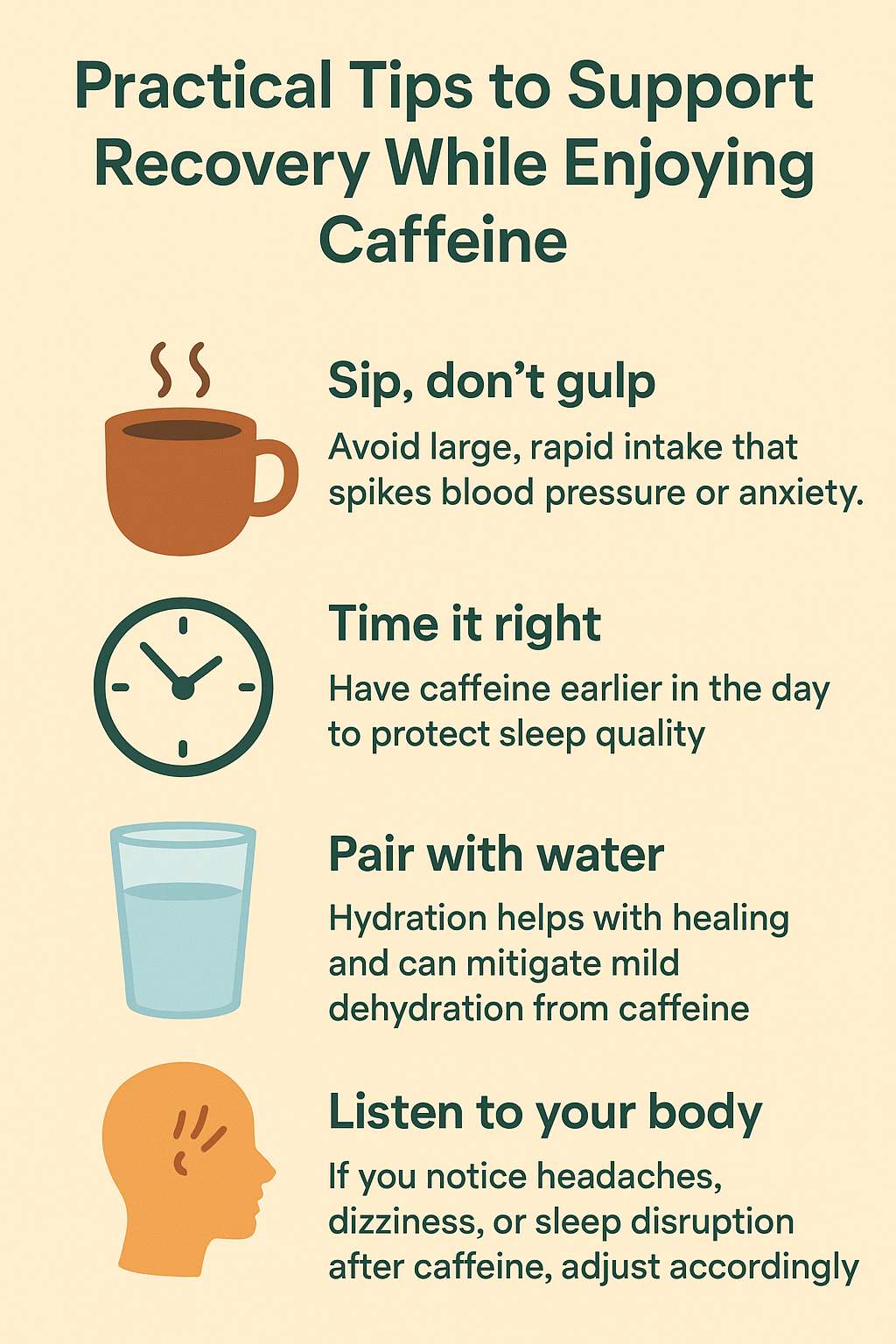
- Sip, don’t gulp: Avoid large, rapid intake that spikes blood pressure or anxiety.
- Time it right: Have caffeine earlier in the day to protect sleep quality.
- Pair with water: Hydration helps with healing and can mitigate mild dehydration from caffeine.
- Listen to your body: If you notice headaches, dizziness, or sleep disruption after caffeine, adjust accordingly.
Bottom line
Caffeine after a hair transplant is not an absolute prohibition for everyone, but it’s wise to be mindful in the early healing phase. Most patients can reintroduce caffeine gradually after the first week or two, paying attention to sleep, hydration, and overall well-being. Since every patient’s situation is unique, use your own body as the ultimate guide. Once you’re past this early healing window, resuming supportive treatments such as Ketoconazole for Hair Loss alongside your normal routine can help maintain your results long-term.
Worried About Hair Loss? Let’s Talk.
Get trusted answers from Dr. McAndrews, a board-certified hair restoration physician with over 29 years of experience. We offer both FUE and FUT hair transplants in Los Angeles at our Pasadena office and offer convenient online consultations that you can reserve from anywhere.
Sources
- https://pmc.ncbi.nlm.nih.gov/articles/PMC7950075/#:~:text=Abstract,with%20various%20doses%20of%20caffeine.
- https://pmc.ncbi.nlm.nih.gov/articles/PMC8717251/#:~:text=Campbell%20Sleep%20Questionnaire.-,Primary%20Outcome,Digital%20Content%202%2C%20Table%
203.
Dr. Paul J. McAndrews is a world-renowned expert in hair loss and hair restoration, and one of only two physicians to have served as President of both the ISHRS and the ABHRS. He is a Clinical Professor at USC/LAC Medical Center and an Expert Medical Reviewer for the California Medical Board, with more than 29 years of experience performing hair transplant procedures, including both FUE and FUT. Serving patients throughout Los Angeles and Southern California, he is regarded as one of the best hair transplant specialists in Los Angeles.