
Recent headlines have claimed that scientists in Taiwan have developed a breakthrough serum capable of regrowing hair in just 20 days. The study, conducted by researchers at National Taiwan University, involved applying a topical formula containing specific monounsaturated fatty acids to bald mice. Within 20 days, the treated mice reportedly showed visible hair regrowth, sparking widespread excitement and speculation about whether this could be a future cure for baldness.
Understanding the Science Behind the Claim
The premise of the study is based on a known biological response: when skin experiences irritation or minor injury, fat cells (adipocytes) in the underlying tissue release fatty acids such as oleic acid and palmitoleic acid. These fatty acids are believed to play a role in stimulating dormant hair follicle stem cells, helping them re-enter the growth phase and regenerate new hair shafts.
In the Taiwanese research, these naturally occurring fatty acids were formulated into a topical serum and applied directly to bald areas on the mice. The findings showed accelerated regrowth, suggesting that under certain conditions, the skin’s regenerative response could be harnessed for hair restoration. In a self-experiment, lead author Professor Sung-Jan Lin applied the alcohol-dissolved fatty acid formula to his thighs for three weeks, reporting visible hair growth before official trials. Unlike this experimental serum, which remains years away from human trials, Ketoconazole for Hair Loss is a topical treatment already available today as a supportive option for managing androgenetic alopecia.
Also Read: Hair Growth Cycle: All You Need to Know
Where the Research Stands Now
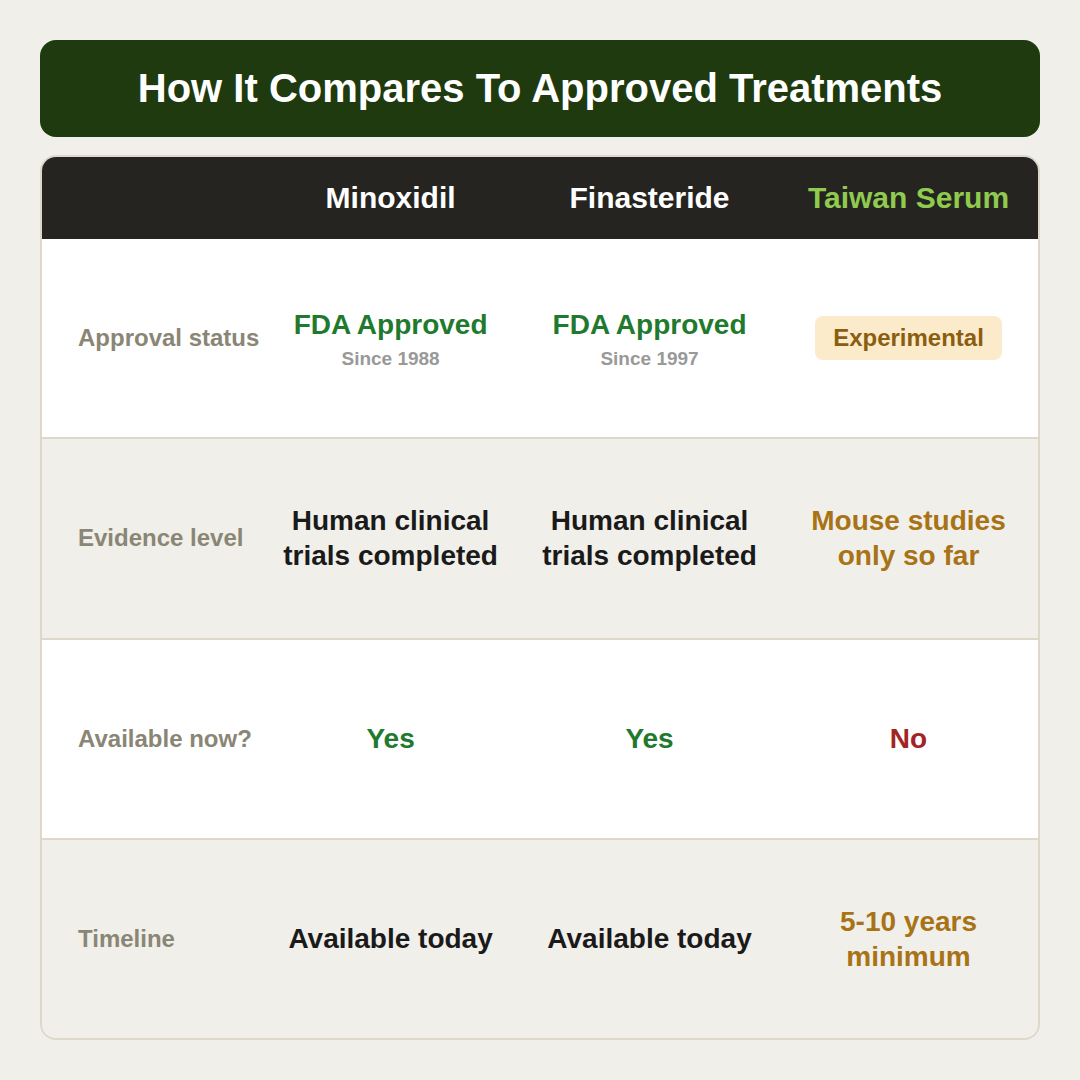
The Taiwanese serum remains in an experimental stage and has not yet entered human clinical trials. While the findings open up exciting avenues for further investigation into the role of monounsaturated fatty acids in hair growth, the treatment is not currently available for use or recommended outside of laboratory settings.
Why Animal Studies Rarely Translate Directly to Humans
While the results in mice are intriguing, the mechanisms of hair growth in rodents differ significantly from those in humans. Many promising treatments have shown remarkable effects in animal models but failed to deliver similar outcomes in human clinical trials. Human scalp biology, hormone sensitivity, and immune response all add layers of complexity that mouse models cannot replicate.
Clinical studies on humans will need to determine appropriate concentrations, dosing schedules, safety profiles, and long-term effects before any treatment can be considered viable. This process can take five to ten years through formal research and regulatory approval.
Also Read: Can PP405 Cure Genetic Hair Loss?
How This Relates to Current Hair Loss Treatments
At present, there are only two medications approved by the U.S. Food and Drug Administration (FDA) for treating androgenetic alopecia (pattern hair loss): finasteride (Propecia) and minoxidil (Rogaine). Both help slow hair loss and encourage regrowth in some individuals, but neither offers a permanent cure.
Because of these limitations, new research such as the Taiwanese study generates significant interest. Dermatologists and hair restoration specialists continuously evaluate emerging treatments, hoping to find safer and more effective solutions. However, translating early results from animal studies to human applications is a complex process that requires extensive testing.
What This Means for People Experiencing Hair Loss
It’s natural to feel hopeful about reports of “miracle cures” for baldness, but caution is always warranted. Many studies show early promise before ultimately proving ineffective in humans. For now, the best-validated treatments for pattern hair loss remain medical therapies such as finasteride and minoxidil, or surgical options like hair transplantation performed by qualified physicians.
Also Read: New Hair Growth Breakthrough
As research continues, it’s possible that these new insights into fatty acid signaling may eventually contribute to better therapies for hair restoration. Until then, maintaining realistic expectations and consulting a board-certified dermatologist or hair restoration expert remains the most reliable way to manage hair loss.
Worried About Hair Loss? Let’s Talk.
Get trusted answers from Dr. McAndrews, a board-certified hair restoration physician with over 29 years of experience. We offer both FUE and FUT hair transplants in Los Angeles at our Pasadena office and offer convenient online consultations that you can reserve from anywhere.
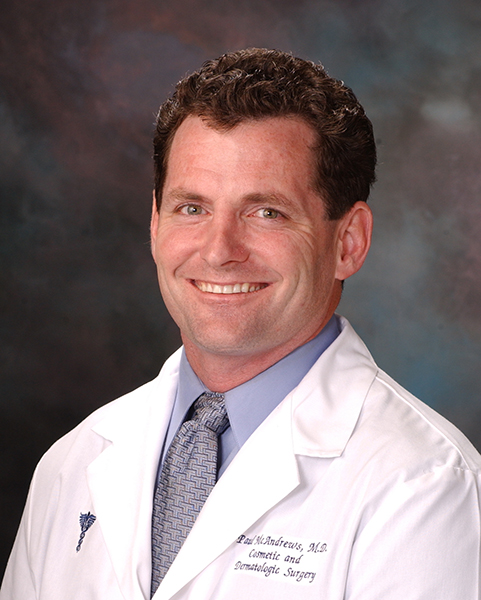
Dr. Paul J. McAndrews is a world-renowned expert in hair loss and hair restoration, and one of only two physicians to have served as President of both the ISHRS and the ABHRS. He is a Clinical Professor at USC/LAC Medical Center and an Expert Medical Reviewer for the California Medical Board, with more than 29 years of experience performing hair transplant procedures, including both FUE and FUT. Serving patients throughout Los Angeles and Southern California, he is regarded as one of the best hair transplant specialists in Los Angeles.